Acrylic Stucco Brands: A Comprehensive Guide
Written by Stucco Champions — Southern California’s Authority on Exterior Plastering.
The Professional’s Guide to Acrylic Stucco Finishes: Brands, Chemistry, and Textures
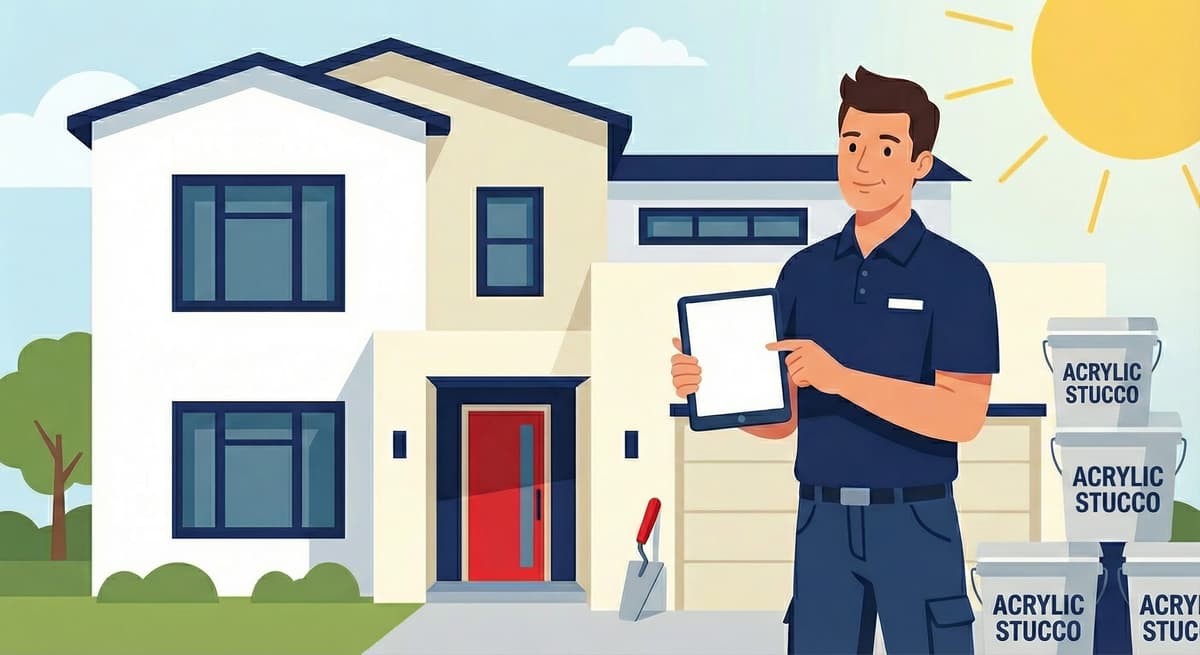
Understanding the world of acrylic stucco can be confusing. It is often called "synthetic stucco," but that is a misnomer. In professional terms, we call it Acrylic Finish Coat.
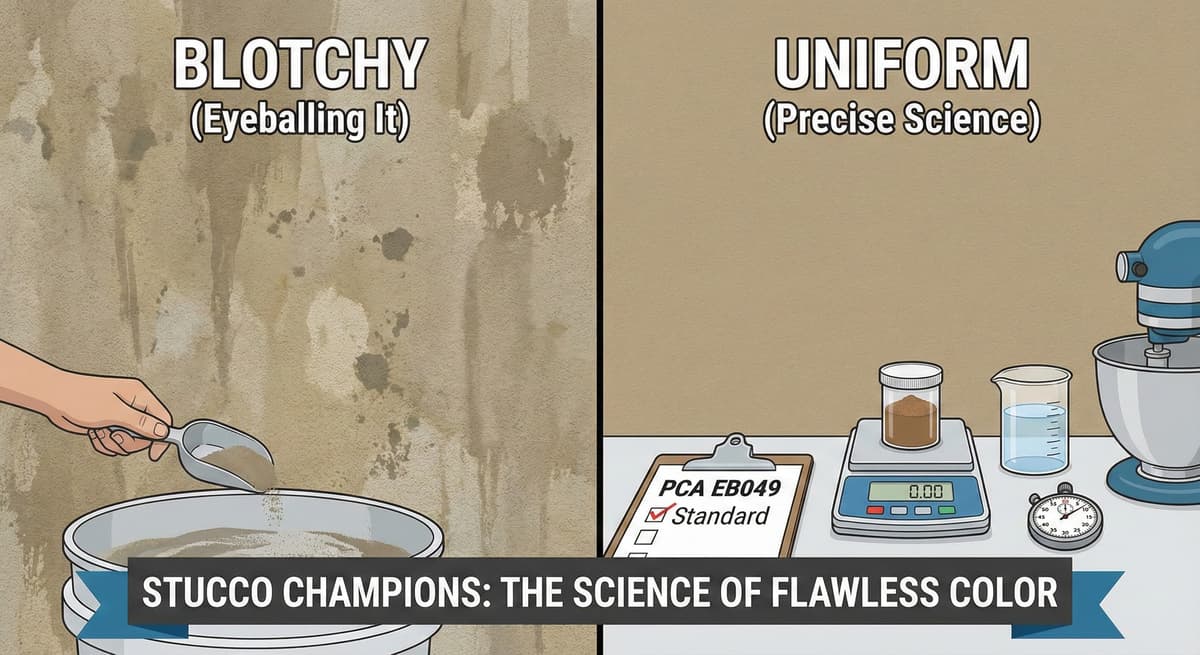
Unlike traditional cement-based stucco—which is rigid, absorbs water, and fades—Acrylic Finish is an elastomeric coating. It stretches, sheds water, and holds dark colors without blotching. This guide explores the unique chemistry, the major players, and the textures that define modern stucco systems.
1. The Chemistry: What is in the Bucket?
Acrylic finish is sold in 5-gallon pails, similar to paint, but it is much thicker. It consists of:
- Acrylic Polymer Resins: The "glue" that provides flexibility and water resistance.
- Aggregate: White quartz sand (available in Fine, Medium, or Coarse) that gives the wall texture.
- DPR Technology (Crucial): High-end brands use Dirt Pickup Resistance (DPR) chemistry. Acrylics can be sticky when warm, attracting dust. DPR hardens the surface slightly to repel dirt while keeping the layer flexible.
Free Assessment
Noticing Stucco Damage?
Get a free on-site assessment from a licensed contractor. $0 deposit, no obligation.
GET FREE ASSESSMENT2. Detailed Brand Analysis
The Parex USA Family (LaHabra, El Rey, Parex)
It is important to know that Parex USA is the parent company for LaHabra, El Rey, and Teifs. While the branding differs by region, the underlying DPR technology is often shared.
- Parex (Architectural Standard): The heavyweight in the commercial world and EIFS systems. Their DPR Acrylic Finish is the industry benchmark for bright, non-fading colors.
- LaHabra (The West Coast Icon): Synonymous with residential stucco in California. Their Perma-Finish line bridges the gap, offering the look of cement with the flexibility of acrylic.
- El Rey (The Southwest Choice): Formulated to withstand intense UV exposure. Their Perma-Flex line is specifically designed to resist the thermal cracking common in desert climates.
Sto Corp (The Innovator)
Sto is a German-founded company that practically invented modern EIFS.
The "Lotus-Effect": Sto is famous for StoCoat Lotusan, a finish that mimics the lotus leaf. It is super-hydrophobic; when it rains, water beads up and rolls off, cleaning the dirt as it goes. If you have a white building, Sto is the premium choice.
Omega Products (The Versatile Value)
Omega is known for being contractor-friendly.
AkroFlex: Their flagship acrylic line. It is known for being slightly "creamier" in the bucket, making it easier for plasterers to float out without dragging. They offer excellent "heavier" textures like Cat Face that other acrylics struggle to replicate.
3. Texture Guide: Decoding the Grit
When ordering acrylic, you don't just pick a color; you must pick an Aggregate Size. This determines the texture.
Aggregate Options
- Fine (0.5mm): The smoothest option. Looks like a sanded wall. Warning: It shows every imperfection in the brown coat underneath. Your wall must be perfectly flat to use Fine.
- Medium / Sand (1.0mm): The most popular choice. It looks like traditional sand stucco. It hides minor waves in the wall and is easy to patch.
- Coarse / Swirl (1.5mm+): Contains large pebbles. Used to create "Worm" or "Swirl" finishes. Excellent for hiding bad walls but looks dated/commercial.
4. Expert Technical Insights
The "Cold Joint" Danger: Unlike paint, you cannot stop in the middle of a wall. Acrylic dries fast. If the edge dries before you get back to it, you will see a permanent line (cold joint). You need enough manpower to finish a whole wall continuously.
Dark Colors: Acrylic is the only way to get black, dark blue, or deep red stucco. Traditional cement will turn chalky and blotchy (mottled) in dark colors. Acrylic holds the pigment perfectly.
⚠️ The "Vapor" Question
High-quality acrylics are vapor permeable (breathable). They stop rain from getting in but allow water vapor from inside the house to escape. Do not paint over acrylic with cheap oil-based paint, or you will seal the wall and cause rot.
Conclusion: Balance Climate and Aesthetic
Choosing the right acrylic is a balance. If you need self-cleaning properties, look at Sto. For residential ease of use and texture blending, Omega or LaHabra are top tier. And if you are choosing a deep, dark color, acrylic is your only safe bet.
Related Resources
Last week, we shared Acrylic Stucco Textures and Finishes. Learn more about the visual difference between Fine and Coarse aggregates.
Frequently Asked Questions About Stucco
How much does stucco repair cost in Orange County and Los Angeles?+
Stucco repair typically ranges from $500 for minor crack patching to $5,000+ for full re-stucco of a single elevation. The exact cost depends on the damage type (hairline cracks, water damage, delamination, weep screed failure), the square footage involved, and whether the original three-coat or one-coat stucco system needs to be matched. Stucco Champions provides fixed-price written estimates after a free on-site assessment — no hourly billing, no surprise change orders. See our stucco repair cost guide for detailed pricing by repair type.
How long does stucco last in Southern California?+
Properly installed three-coat stucco lasts 50-80+ years in Southern California's climate. The most common failure points aren't the stucco itself — they're the supporting components: corroded weep screed, deteriorated building paper behind the stucco, and improperly sealed window flashing. Most "stucco failures" are actually moisture-intrusion failures that start at one of these points. Annual visual inspection catches problems before they spread, which is why we offer free weep screed assessments for homeowners in our service area.
Can I repair stucco myself, or do I need a contractor?+
Hairline cracks under 1/8 inch wide can be sealed with elastomeric caulk by a homeowner. Anything larger — pattern cracks, delamination (where stucco pulls away from the wall), water-damaged areas, or chimney/window leak repairs — requires a licensed contractor. Improper DIY repair on these is the #1 cause of repeat failures because the underlying cause (usually moisture) isn't addressed. California's CSLB requires a license for any stucco work over $500. We're a CSLB-licensed and insured contractor — see our contractor team for credentials.
How do I know if I need stucco repair vs. full re-stucco?+
If less than 30% of an elevation has visible damage, repair is the right call. If you see large areas of cracking, multiple zones of delamination, or the underlying paper and lath have rotted across an entire wall, full re-stucco of that elevation is more cost-effective long-term. Our free assessment includes a moisture survey and lath inspection so you get a defensible recommendation either way — not just a quote pushing whichever option costs more.
Do you offer warranties on stucco work?+
Yes. Stucco Champions provides a written 5-year workmanship warranty on all stucco repairs and a 10-year warranty on full re-stucco. We're a CSLB-licensed and insured contractor (license #1122006 — verifiable at cslb.ca.gov), which means our work is backed by California's contractor licensing board, not just our own promise. Request a free estimate to see the warranty terms in writing before you sign anything.
How long does a stucco repair take?+
Most patch repairs are completed in 1-2 days, including a 24-hour cure time before texture matching and color application. Full re-stucco of a single elevation runs 5-7 working days because each coat (scratch, brown, finish) needs to cure properly before the next is applied. We schedule around weather — California stucco needs daytime temperatures above 50°F with no rain forecast for at least 24 hours after each coat. Our crew shows up on time, every time.